A guide for men
Rebuilding Your Life After Divorce
There's a point in this where the bleeding stops and a different question shows up: now what?
If you're still in the worst of it — the shock, the 4am loop — start with how to cope with divorce as a man first. This piece is about what comes after: how a man actually moves on, recovers, and rebuilds into someone better than who he was. I know it's possible because I did it.
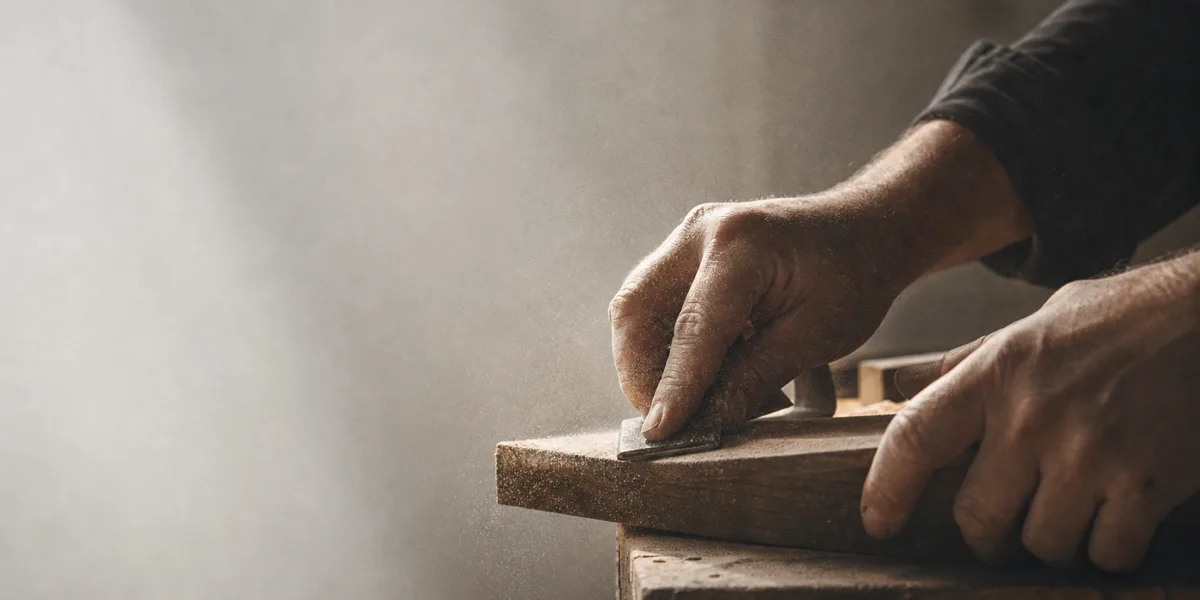
Rebuilding isn't going back to who you were
Most men want one thing in the beginning: to feel like themselves again.
I get it. But that old self was standing on a foundation that just collapsed. Every ounce of self-worth I'd had was contingent on things outside me — my wife, my achievements, the story I told about who I was. When those fell away, there was nothing underneath. Going “back” would have meant rebuilding on the same cracked ground.
Recovery isn't restoration. It's construction. You're not repairing the old man. You're building a new one — on ground that's actually yours this time.
That sounds harder. It's actually the part that finally works.
How to actually move on after divorce
Build a self that doesn't depend on her
Moving on isn't a decision you make. It's a byproduct of building a life so solid that the old one stops having a grip on you. Routines. Standards. Work that means something. Your body. Your friendships. You don't move on by trying to stop thinking about her — you move on by becoming a man with too much going on to stay stuck.
Forgiveness — for your own sake, not hers
Forgiveness came slowly for me, and not as something I gave my ex-wife. As something I owed myself. Carrying resentment kept me tethered to a story I was trying to leave. So I let it go — genuinely. Not because she earned it. Because the resentment was a weight I was choosing to carry, and I was done carrying it.
Face your own part — so you don't repeat it
My marriage didn't fail because of one person. I had patterns — ways I showed up, ways I consistently didn't — that I had to see clearly. This isn't about blame. It's the only thing that stops you from walking the exact same path into your next relationship. The men who skip this step tend to get divorced twice.
Rebuilding after divorce at 40, 50, or later
A lot of men tell themselves they're too old to start over. That the good years went into the marriage and what's left is just managing the decline.
That's a story. It isn't true.
The man you are at 40 or 50 has something the 25-year-old version never did: he knows what actually matters, and he's done wasting time pretending otherwise. The age isn't the obstacle. The belief that it's too late is the obstacle.
I rebuilt in midlife, not in my twenties. The relationship I'm in now is more honest and more grounded than anything I knew when I was younger. Not because I found the right person. Because I did the work to become a different man. The years behind you aren't wasted. They're the raw material.
What healing after divorce actually looks like for a man
Healing isn't a finish line you cross and never think about it again. It's the day you realize the thing that used to run your whole life has become just one chapter of it.
You'll still have hard days. A song, a date, a kid's milestone she should've been at — they'll still land. But they stop knocking you down for weeks. You feel it, and you keep moving. That's healing. Not the absence of the wound — the wound no longer running the show.
Today I can look at the man in the mirror — with all his flaws and failures — and say he's the best man he's ever been. That's what's on the other side of this work.
The next step
You don't rebuild by reading about rebuilding. You rebuild by doing the work — and doing it with someone who's already walked the road makes it faster and far less lonely.
If you want a guide who's done exactly this, book a free discovery call.